

After processing over 100,000 verification requests, the data is clear: most users don't need a persistent second phone line; they need a service-based temporary SMS and temp mail verification tool. Receive SMS&Temp Mail: CodeApp is designed specifically for this, allowing students, freelancers, and privacy-conscious users to bypass intrusive data collection without managing long-term mobile contracts.
A few years ago, while optimizing a popular news platform's frontend for ad-blocking and web performance, I noticed something alarming in the network tab. The moment a user typed their personal phone number into the sign-up form, a dozen background tracking scripts fired off simultaneously. Their identity was being hashed, packaged, and synced across multiple advertising networks before they even hit the "Submit" button. That specific tracking reality is what drove my initial interest in temporary verification workflows.
Recently, we passed a significant milestone: observing how over 100,000 verification requests were handled across our infrastructure. Combining our internal analytics with the newly released Adjust Mobile App Trends 2026 report provides a fascinating look into user behavior. According to Adjust, global app installs grew by 10% in 2025, while iOS App Tracking Transparency (ATT) opt-in rates crept up to 38% by Q1 2026. People are downloading more apps than ever, but they are also becoming hypersensitive to how their data is measured and tracked. The report highlights that 2026 app growth is dominated by "AI + multi-platform measurement architecture," which translates simply to: platforms are getting much better at tracking you everywhere.
As users try to protect their primary credentials, a lot of misinformation has spread about the best way to stay private online. Based on our request data and industry trends, it is time to debunk some of the biggest myths surrounding secondary identities.
Why do users assume a persistent 2nd phone number is the only option?
The most persistent myth in the privacy space is that a traditional 2nd phone number is the ultimate shield against spam. For years, the default advice for anyone wanting to keep their personal number private was to download a calling app like Google Voice or Talkatone and use that dedicated number for everything.
Our data shows this approach is failing. Out of the thousands of failed verification attempts we analyzed from third-party tools, the vast majority were blocked because modern platforms easily identify long-term VoIP numbers. Apps built primarily for Wi-Fi calling and texting—like TextNow, TextFree, and Pinger—assign you a persistent VoIP profile. Social media platforms and gig economy apps frequently flag these persistent VoIP blocks as high-risk.
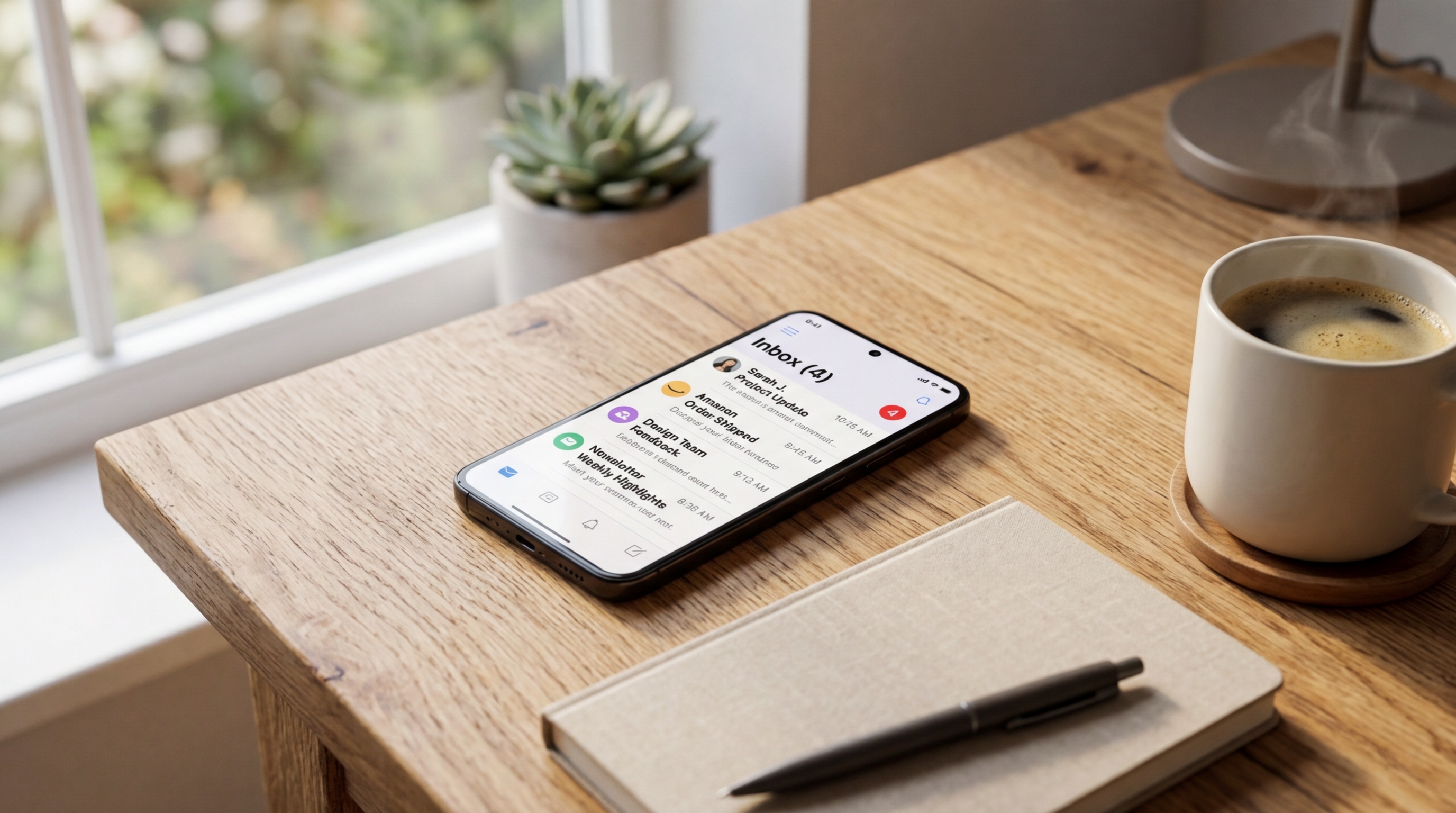
Instead of a permanent secondary line, our retention data indicates a massive shift toward disposable, shared access. Users don't actually want to maintain a burner phone; they just want the verification code. CodeApp focuses on shared service filters rather than persistent ownership. If you are registering for a one-time service, a temporary text number handles the SMS filter far better than trying to trick a platform with a known TextNow or Google Voice prefix.
Does an authenticator app solve the initial sign-up problem?
Another common misconception we see in technical communities is the belief that an authenticator app entirely replaces the need for a temporary text or mail address. The logic goes: if I secure my account with two-factor authentication (2FA), I don't need to worry about my phone number.
This is a fundamental misunderstanding of the onboarding funnel. An authentication app (like Authy or Google Authenticator) secures an account after it has been created. However, 90% of consumer platforms still demand a valid SMS text or an email validation link to establish the account in the first place.
You cannot attach an authenticator app to an Instagram or WhatsApp account without initially providing a number to receive the first code. This is where tools like CodeApp bridge the gap. You use the temporary SMS feature to pass the initial gateway, set up your account, and then immediately bind it to your authenticator app for long-term security. The temporary number does its job and disappears, leaving your account secure without exposing your real SIM card.
Are generic texting clones actually built for privacy?
Take a quick look at the app stores, and you will find hundreds of apps with variations of the same name: text me, textnow, textplus, and textfree. The myth here is that these communication apps prioritize user privacy.
In reality, these apps are ad-supported communication networks. To use them, you typically have to create an account, hand over an email address, and sometimes even verify your real phone number just to get the virtual one. A tool is only useful if it doesn't force you into the exact same tracking loop you are trying to escape.
CodeApp is built strictly as a verification utility, not a social messaging platform. It is designed for students downloading local discount apps, freelancers testing client software, and small teams managing multiple social profiles. Conversely, this app is NOT for individuals looking to make long-term voice calls, send personal MMS messages, or manage a permanent business line. By narrowing the focus purely to receiving a temporary code or temp mail, we eliminate the heavy tracking SDKs that bloat typical calling apps.
How does localized search intent reveal the global demand for verification?
When analyzing the geographical data from our first 100,000 requests, alongside recent industry findings, it becomes obvious that the demand for pure verification tools is a global phenomenon, often hidden behind highly specific local search habits.
For example, in various international markets, users rarely search for generic communication tools when they want privacy. Instead, they actively seek an app that functions strictly as a service-based temporary SMS number and temporary email address verification tool. They want the utility without the baggage. We see exact search queries reflecting this need for fast, disposable access: users typing 'create new email' to bypass registration, looking for 'alt mail' alternatives, or quickly searching for 'temp mail' solutions to bypass a mandatory registration wall. They frequently hunt for a service website that operates a trusted mail domain simply to catch a validation link.
This behavior proves our core thesis: whether a user is in North America searching for a "burner email" or in Europe looking for a fast verification number, the underlying goal is the same. People want a secure, temporary bridge to access software without feeding the multi-platform measurement architecture that dominates the 2026 app economy.
What is the right workflow for modern account creation?
If you are tired of your inbox filling up with promotional spam and your personal phone number being sold to data brokers, you need to adjust your sign-up workflow. The data from our recent milestone heavily supports a "least privilege" approach to account creation.
- Assess the service: Is this a permanent banking app, or a one-time discount code for a coffee shop? If it's the latter, never use your real credentials.
- Choose the right layer: If you want instant access without long-term tracking, CodeApp's shared SMS feature is designed for that. Skip the heavy communication apps.
- Separate your identities: Use a temp mail address for newsletters, gated content, and initial software trials. Reserve your primary email exclusively for financial and personal communications.
Reaching 100,000 verification requests isn't just a metric for our infrastructure; it is validation that the era of blindly handing over personal data is ending. Users are actively seeking out tools like Verity's privacy-focused applications to reclaim control over their digital footprint. By understanding the difference between a persistent calling app and a dedicated verification tool, you can manage your digital presence safely, efficiently, and anonymously.