

If you need a verification code fast, the real problem is rarely getting any temporary number—it is finding a shared number that matches the service you want before the code expires. That is exactly why the improved service filters in Receive SMS&Temp Mail: CodeApp matter: they help users sort shared temporary SMS options by platform and usage context, so registration and verification attempts waste less time.
People often search for tools using names like text me, textplus, now text now, text textnow, or textfree because they want one simple outcome: receive a code without handing over their personal phone. But that search usually mixes together very different products—some act like a 2nd phone number, some are closer to a burner setup, and some are really just a shared verification service. For users who only need a quick, service-bazlı SMS check, better filtering can matter more than extra calling features.
Receive SMS&Temp Mail: CodeApp is a mobile app for iPhone and Android users who need shared temporary SMS numbers and temp mail inboxes for sign-up and verification tasks. It is most useful for privacy-conscious users, students, deal hunters, testers, freelancers, and anyone who creates occasional secondary accounts for legitimate use cases without wanting to expose a personal numarası or primary e posta adresi.
What changed: filtering by service is no longer a small convenience
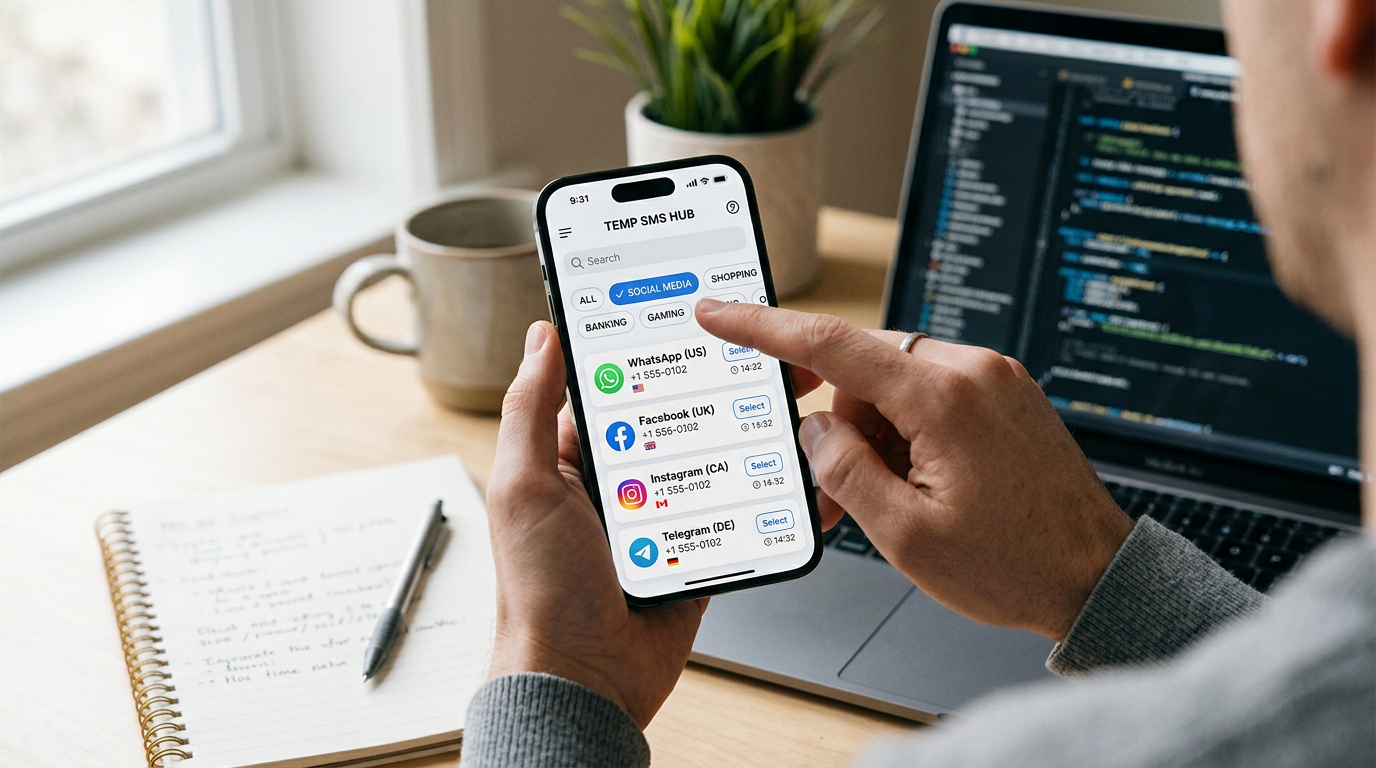
The improved feature is straightforward but important: instead of browsing a generic list of numbers and hoping one works, users can narrow options based on the platform they are trying to verify. In practice, this reduces the random trial-and-error that makes many temporary SMS apps frustrating.
That sounds modest until you have 90 seconds left to receive a code.
Shared numbers behave differently from private lines. One may work well for a social app, another may be crowded, and another may simply be a poor match for your target platform at that moment. A service-bazlı view helps users treat temporary verification for what it really is: not a universal phone replacement, but a task-specific verification tool.
Why this matters if you are comparing text me, textplus, and textfree-style options
Many users begin with brand-style searches such as text me or textplus because those terms have become shorthand for “I need another number.” But there is a practical difference between communication apps and verification tools.
A communication-first app usually tries to act like an ongoing phone service. A verification-first app focuses on whether a shared number can receive an incoming code for a specific platform. If your actual goal is account setup, the second model is often more efficient.
That is where the new filtering approach helps. Instead of forcing you into a broad list and making you guess, CodeApp helps surface options relevant to your use case. Unlike a traditional 2nd phone number workflow, you are not managing contacts, maintaining a long-term line, or paying for features you may not use.
For someone searching phrases like now text now or text textnow, the intent is usually immediate: “Can I get the code and move on?” Better filtering serves that intent directly.
Three real situations where the feature saves time
1) Signing up for a social account without using your personal line
Practical scenario: a user wants to create a separate account for marketplace listings, community management, or content testing. They do not want their everyday phone connected to that account. With a filtered service list, they can go straight to numbers relevant to that platform instead of sampling random entries and missing the SMS window.
2) Protecting your main inbox during one-off registrations
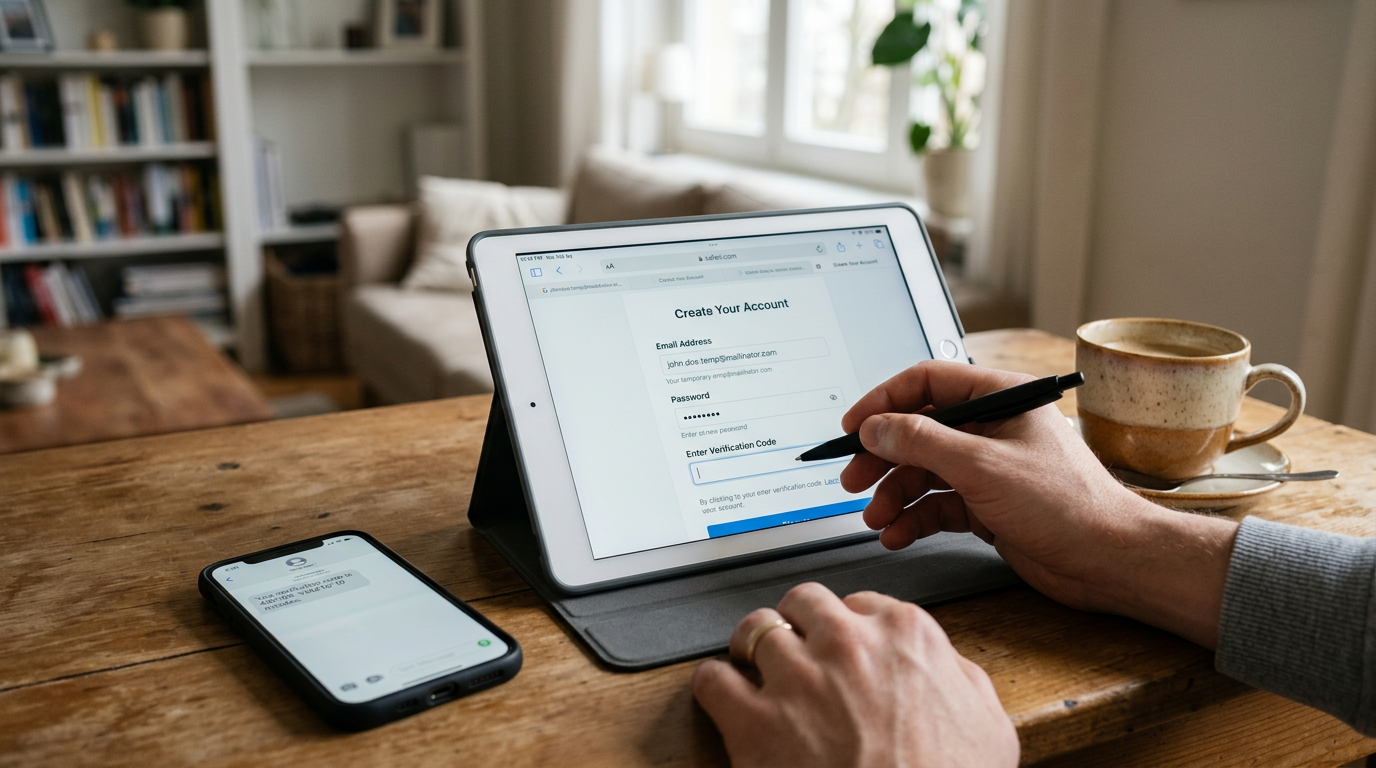
Many verifications come in pairs: first the phone check, then the email check. CodeApp is useful here because the SMS and temp mail workflow live in the same app. If you need a temporary phone option plus a temporary mail inbox, using both together is often faster than juggling separate tools. If you want that combination, Receive SMS&Temp Mail: CodeApp’s temporary inbox flow is designed for it. You can also review the app’s broader workflow on the main app site.
3) Avoiding crowded shared numbers
One overlooked problem with shared verification tools is congestion. When too many people try to use the same route, results get inconsistent. Service filters do not magically guarantee success, but they help users avoid a blind search. That alone can mean fewer failed attempts and fewer abandoned sign-ups.
Who benefits most—and who probably will not
The users who benefit most are the ones with short, practical tasks:
- People creating a secondary sign-up for selling, testing, or promotions
- Users who want a privacy buffer between personal data and casual registrations
- Students and freelancers who need occasional verification without another full phone plan
- App testers who check onboarding flows across different services
This is probably not for you if you need a permanent business number, dependable voice calling, long-term message history, or a full Google Voice / googlevoice replacement. It is also not ideal if your use case requires a dedicated personal line rather than a shared, temporary service providing setup.
What to look for in a temporary SMS app besides “does it receive texts?”
People often compare temporary SMS tools the wrong way. The better question is not whether the app can receive a message once. The better question is whether it helps you complete a verification task with minimal friction.
Useful selection criteria include:
- Service relevance: Can you identify which number is suited to which platform?
- Speed: How quickly can you move from opening the app to monitoring incoming SMS?
- Clarity: Is the interface readable, or are you guessing between random numbers?
- Combined tools: Do you also get temp mail if the sign-up needs both SMS and email?
- Use-case fit: Is it built for verification, or is it mainly pretending to be a complete phone service?
This is where an improved filter matters more than flashy extras. A clean path to the right number usually beats a long list of features unrelated to verification.
A brief comparison: shared verification flow vs 2nd phone number apps
| Need | Shared verification tool | 2nd phone number style app |
|---|---|---|
| Quick sign-up code | Usually the better fit | Can be more than you need |
| Long-term calling and texting | Usually not the main purpose | Better fit |
| Temporary privacy layer | Strong use case | Possible, but often heavier setup |
| SMS + temporary email in one place | Often available | Less common |
That distinction helps cut through search confusion around terms like textfree, textplus, or text me. Those phrases often signal that the user wants another communication route, but sometimes the actual need is much narrower: one sign-up, one code, one temporary inbox, done.
Common questions users ask before trying a service-filtered setup
“Is this the same as having a burner phone?”
Not really. A burner setup suggests a separate, ongoing phone identity. A shared temporary SMS workflow is more task-based and shorter-term.
“Can I use this instead of my personal number for every app?”
No. Shared numbers are situational, and compatibility varies by service. They are best treated as a convenience for specific registrations, not as a universal replacement for your private phone.
“Why do filters matter if the app already shows numbers?”
Because a raw list creates friction. If the app knows users are trying to verify against specific platforms, filtering shortens the path between opening the app and receiving the code.
“Do I also need a new email?”
Sometimes yes. Many sign-ups ask for both phone and email verification. In those cases, a temporary e posta option can be useful, especially if you do not want to yeni mail adresi aç for a one-time task.
The less obvious benefit: fewer bad habits
When temporary verification is clumsy, users often fall back on habits that are worse for privacy: reusing a personal number everywhere, exposing a primary email to low-value sign-ups, or creating a permanent secondary line for tasks that only happen once a month. Better service filters reduce that pressure.
That may be the most practical improvement here. It is not flashy. It does not try to imitate a full phone plan. It simply makes a temporary verification app behave more like a purposeful tool and less like a scavenger hunt.
If you want to understand how the app combines shared SMS access with temporary inboxes, the overview on Receive SMS&Temp Mail: CodeApp gives the broader context. The key point, though, is simple: when users search text me, textplus, now text now, text textnow, or textfree, they are usually trying to remove friction from verification. Smarter service filters do exactly that.
And for real users, that is the difference between “I got the code” and “I gave up and used my real number.”