

The most effective way to protect your digital identity during online registrations is to structurally isolate your core personal data by using service-specific temporary verification endpoints instead of your primary carrier line. Imagine you are browsing online, looking to book a test drive for a new vehicle—perhaps a practical sedan for the daily commute, or a new electric SUV to save on fuel. You find the dealership's portal, fill out the form, and hit a familiar roadblock: a mandatory field demanding your primary phone number and personal email address to send a simple verification code.
You comply. Within 48 hours, your phone is ringing with automated sales calls, your SMS inbox is cluttered with promotional messages, and your primary email is subscribed to five different marketing newsletters. This exact scenario highlights a critical privacy problem: we treat our primary digital identifiers as cheap commodities, handing them out for every single short-term transactional sign-up. To stop the endless stream of spam, we have to rethink how we authenticate.
Why Are Traditional Digital Passports Failing Us?
As a frontend developer who has spent years optimizing web performance and building ad-blocking technologies, I have watched first-hand how aggressively user data is tracked across platforms. When you enter your personal details into a simple web form, that data doesn't just sit in a local database. It is hashed, shared, and fed into massive multi-platform marketing ecosystems. The browser executes scripts that cross-reference your submitted data with third-party data brokers in milliseconds.

In the past, the standard consumer workaround was straightforward. You would download a basic texting app to grab a quick burner number. A generic second phone number used to be enough to bypass basic web filters. However, modern platforms deploy sophisticated risk-scoring algorithms. When you use a persistent VoIP number from a legacy provider, the receiving network immediately queries the carrier API, detects the VoIP classification, and flags the account. The verification code either silently fails, or the new account is shadow-banned shortly after creation. If you are searching for a way to get a quick verification code using saturated IP pools, you are already fighting a losing battle against these backend filters.
What Did Our First 50,000 Users Reveal About Privacy Needs?
We recently hit a significant milestone with Virtual Number & SMS: CodeApp, surpassing 50,000 active users. Reviewing the aggregated infrastructure data from this launch phase, the patterns paint a stark picture of modern digital friction. Users are experiencing intense digital fatigue and are actively seeking alternatives to legacy calling apps.
Data from recent digital consumer trend reports paints a fascinating picture of this dynamic. Looking at modern markets, reports note that nearly 95% of adults now own a smartphone, cementing these devices as central hubs for everything from payments to digital identity. But here is the paradox: as our phones become more critical for securing our banking and healthcare, we are still required to broadcast our numbers to access trivial forums and discount portals. This exposes us to incredible risk. Our users understand this; they are seeking a buffer layer to protect their primary hub.
Furthermore, the data shows that speed is non-negotiable. Industry trends suggest that a large majority of users will delete an application after the first use if it is too slow or unresponsive. If a verification email or SMS takes three minutes to arrive, the user abandons the registration entirely. Our internal data confirms that persistent VoIP infrastructure is often too slow and too heavily flagged for modern security requirements.
How Do Service-Based Verification Tools Solve This Crisis?
The shift in user behavior shows a massive move away from persistent calling features and toward disposable, service-specific routing. When explaining our architecture to international developers, we describe our platform as a verification tool providing service-based temporary SMS numbers and temporary email addresses.
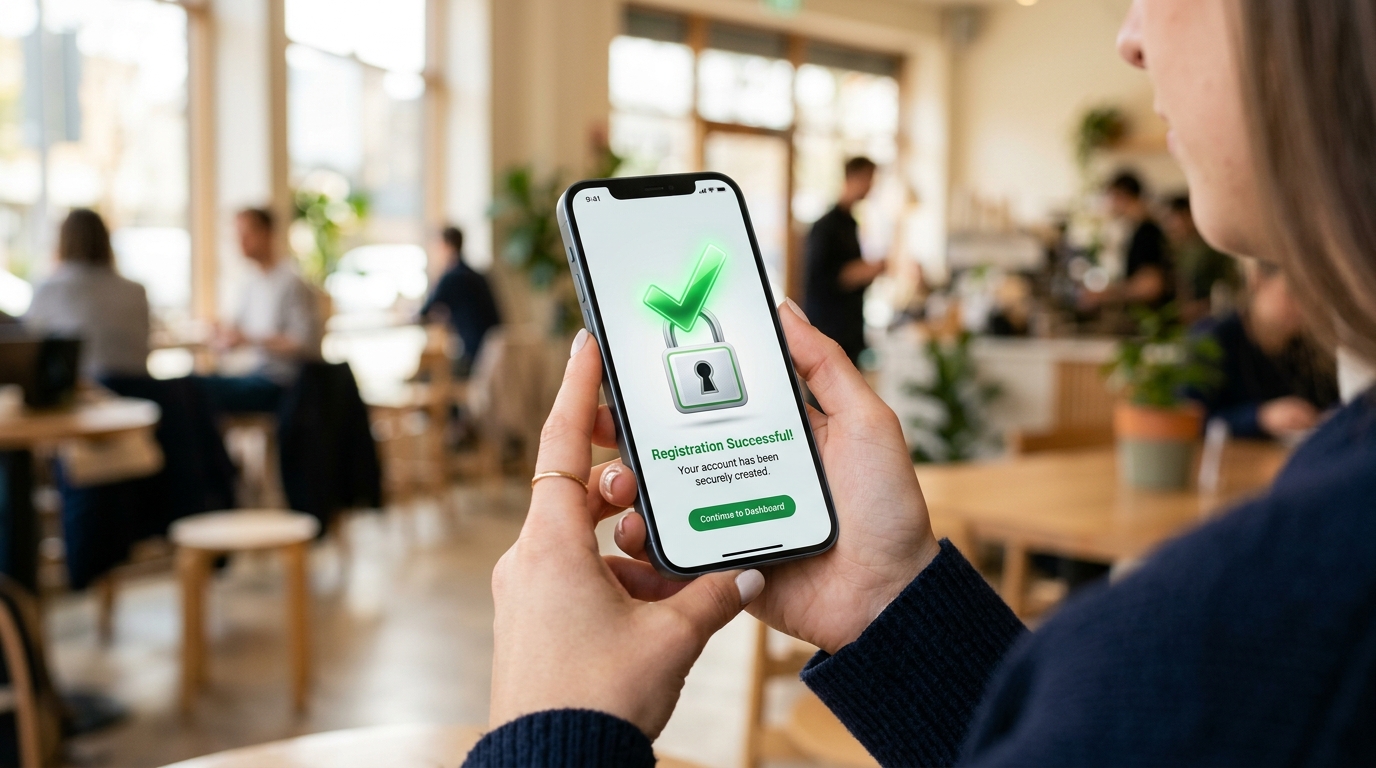
Users want to open a new email address instantly for a single registration and never look at it again. Often, generic temporary domains are blocked by strict enterprise firewalls, so having access to a premium email domain structure is vital for successfully receiving that confirmation link. Even when searching for a quick solution, the user's core intent remains the same: they need secure, immediate access without sacrificing their personal inbox.
Instead of relying on a permanent account that you have to maintain, or an inbox that fills up with junk, a service-based approach provisions a highly-trusted, pre-cleared number specifically for the platform you are trying to access. Once the code is received, the connection is severed, leaving absolutely no digital footprint linking your identity to the service.
How Do You Choose The Right Privacy Workflow?
Not every tool fits every scenario, and understanding the nuances of digital routing is crucial for maintaining your privacy.
- High-Security Financials: If you are securing a cryptocurrency wallet, a password manager, or your primary bank account, you should use an authenticator app. SMS should not be used for primary financial security.
- Long-Term Communication: If you need to make frequent international calls to a client or family member, maintaining a dedicated VoIP tool makes sense.
- Transactional Registrations: If you are registering for an e-commerce platform—a sector seeing a consistent year-over-year increase in user sessions—you shouldn’t use your real identifier. For these moments, a shared temporary phone number or a secure temp mail is vastly superior.
With finance and retail apps seeing jumps in session lengths, the sheer volume of accounts the average consumer manages is skyrocketing. Reclaiming control over your data starts with using the right tool for the right job.
Ultimately, if you want to keep your primary inbox clean and protect your personal number from aggressive telemarketers, Virtual Number & SMS: CodeApp's disposable routing is designed specifically for that purpose. By treating account registration as a temporary transaction rather than a permanent data exchange, you can reclaim control over your digital footprint.