

Relying on a single personal phone number for every digital touchpoint is no longer just a privacy risk—it is an infrastructure failure waiting to happen. As an infrastructure engineer who spends hours analyzing network traffic and DNS routing protocols, I constantly see how modern analytics engines exploit static identifiers. If you are trying to register for new platforms without exposing your true identity, Virtual Number & SMS: CodeApp is a service-based temporary SMS and temporary email verification tool designed specifically to receive verification codes without attaching them to your primary SIM card.
The core problem with mobile privacy right now is simple: apps demand your phone number, not because they need to call you, but because they need to track you. When you hand over your persistent number, you are establishing a permanent bridge between your physical identity and your digital footprint across multiple databases. Disconnecting that bridge requires a fundamental shift in how we approach account registration.
Why do traditional tracking mechanisms demand your phone number?
Mobile data collection has become incredibly sophisticated. According to recent mobile app trend reports, Apple’s App Tracking Transparency (ATT) opt-in rates climbed to 38% among iOS users. This means the majority of users are actively trying to deny cross-platform tracking. In response, platforms have doubled down on the one identifier they can still force you to provide during onboarding: your SMS-capable phone number.
When you sign up for an e-commerce platform—which data shows has seen a steady increase in session length year-over-year—that platform uses your number as an anchor. If you use the same number for a social media account and a food delivery service, backend data brokers map those endpoints together. Analysis of high-volume verification requests proves that static identifiers are a significant vulnerability in any personal security stack.
What exactly is Virtual Number & SMS: CodeApp?
To counter this tracking, you need a disposable endpoint. Virtual Number & SMS: CodeApp is an application that provides shared, service-specific temporary phone numbers and temp mail addresses strictly for receiving verification codes. It is not a calling app; it is a verification routing tool.
Instead of registering a permanent second phone number that requires maintenance, you open the app, select the specific service you are trying to verify (like WhatsApp, Instagram, or a local service), and receive a shared number that has been pre-cleared for that specific network filter. Once the SMS text arrives, you complete your registration and discard the routing pathway. The verification is complete, and your real identity remains isolated.

Who actually needs a service-based verification tool?
I always prefer to define network tools by their strict utility. A temporary SMS service is highly specialized.
This infrastructure is built for:
- Privacy-conscious users who refuse to hand over their primary SIM number to unverified mobile applications.
- Freelancers and developers who need to test account creation workflows across different regions.
- Individuals managing isolated, short-term accounts for local marketplaces or dating applications.
Who is this NOT for?
If you want to make voice calls to your family, or you need a permanent business line, this is not the tool for you. You do not need a shared temporary number; you need a dedicated VoIP provider. A classic authenticator app is also better for continuous two-factor authentication (2FA) logins on your bank account. Temporary verification is specifically for the initial, intrusive account creation phase.
How does service-specific routing compare to legacy calling apps?
Many people assume that to bypass a registration filter, they just need to download a generic "text free" or "text now" clone. From a network routing perspective, this is a flawed assumption.
Legacy applications like Google Voice or standard burner apps are built for persistent two-way communication. They utilize static VoIP (Voice over IP) blocks. Modern application firewalls know exactly which IP ranges belong to common VoIP providers. When you try to use a standard VoIP number to register for a strict platform, the application queries the database, sees the classification, and immediately blocks the SMS delivery.
Service-based verification tools work differently. By using dedicated verification tools that dynamically route traffic, users can match the specific application they are trying to register with a number that is actively passing filters for that exact service. This results in a significantly higher success rate than a generic pinger or alternative text apps.
What does a practical first-use scenario look like?
Let us look at a practical example. Suppose you are downloading a new finance application. You want to test the app, but you do not want to give them your primary email or your real phone number.
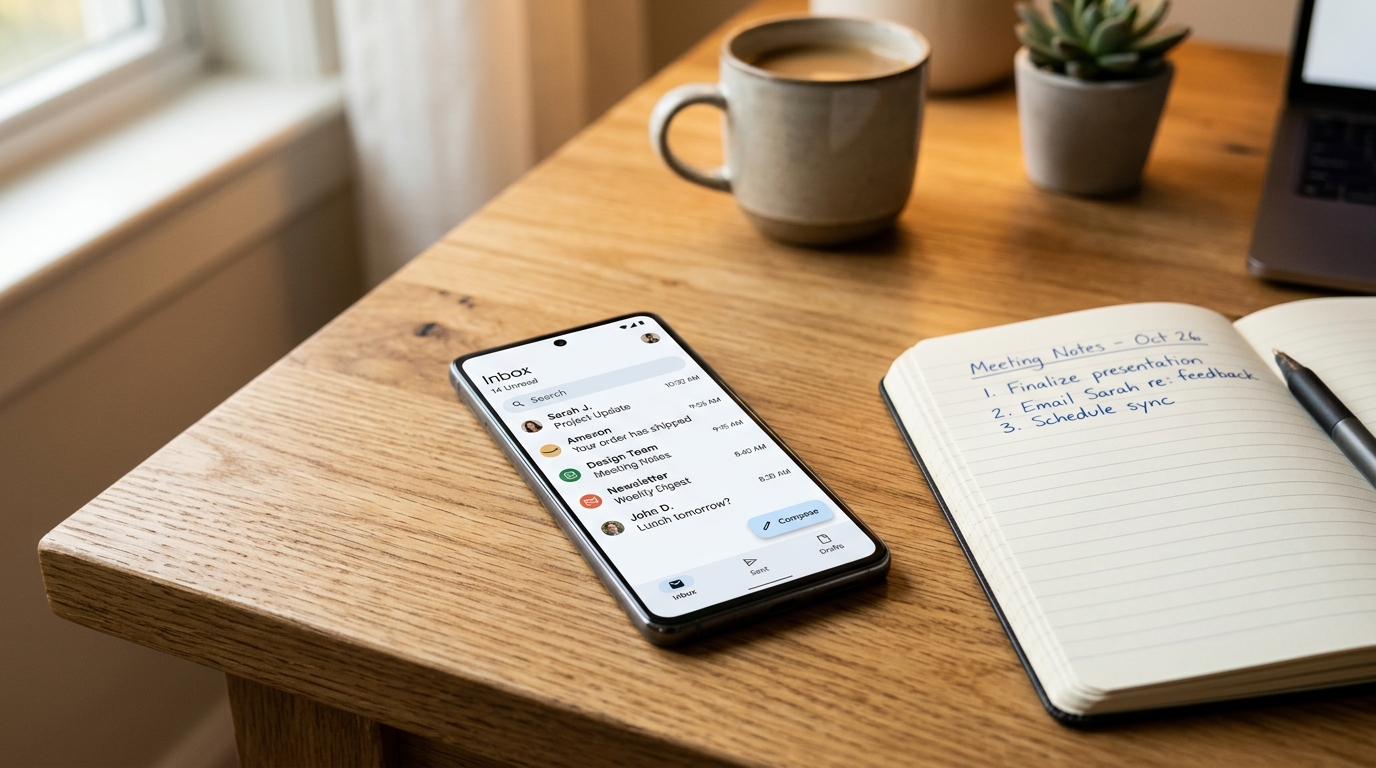
First, speed matters. User experience trends show that 70% of users delete slow apps on their first use. Because CodeApp is stripped of heavy voice protocols, the interface is incredibly fast. You open the application and instantly generate a temp mail address. You input this into the finance app.
Next, the app demands SMS verification. You switch over to the SMS tab, select the platform you are verifying from the dropdown menu, and copy the provided temporary number. The finance platform sends the text, our servers catch the packet, and display the code on your screen. You enter the digits, the account is created, and you sever the connection. The finance app now holds a temporary email and a shared number in its database, completely unlinked to your personal data or physical SIM card.
Why should you care about isolating your digital footprint?
At our mobile app company, Verity, we design infrastructure with the assumption that data will eventually be compromised or sold. It is not paranoia; it is basic network security hygiene.
If you use your primary email and phone number for everything, a breach at a minor site instantly compromises the identifier tied to your bank account and personal communications. By using an email and SMS verification tool to silo your accounts, a breach at one endpoint stops right there. There is no lateral movement for data brokers.
Are there any common misconceptions about temporary numbers?
When I discuss temporary routing with other engineers, a few questions consistently come up:
Do temporary numbers work for every single platform?
No. Network security is an ongoing arms race. Some ultra-strict financial institutions require physical, post-paid SIM cards. However, for the vast majority of social media, retail, and web services, service-specific routing bypasses the filters successfully.
Can I recover an account using a temporary number?
Generally, no. Shared numbers cycle through the system. You should only use temporary verification for accounts where you will not need to receive a password reset via SMS months down the line. If persistent security is required, transition the account to a time-based authenticator app after the initial sign-up.
Is temp mail actually secure?
It protects your primary inbox from spam and tracking pixels. However, the inbox should only be used to receive an initial activation link or code, not to conduct sensitive private correspondence.
Stopping data brokers from building a shadow profile on you starts at the registration screen. Stop handing out your primary identifiers to unverified platforms, and start routing your verifications through isolated infrastructure.